

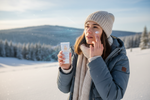
How UV Rays Affect Skin in Winter — Expert Tips for Sun Safety
, by Hemant Shah, 6 min reading time
, by Hemant Shah, 6 min reading time
When the air turns crisp and the days grow shorter, many people believe their skin is safe from the sun’s harmful rays. However, UV rays in winter can be just as damaging as they are in summer. The cold weather often creates a false sense of security, leading people to skip sunscreen and neglect winter sun safety skincare.
In reality, UV exposure continues year-round — and understanding how it affects your skin during winter is essential for maintaining long-term health and beauty.

Ultraviolet (UV) rays from the sun are categorized into UVA, UVB, and UVC rays. UVC rays rarely reach the Earth’s surface, but UVA and UVB rays do — and both can harm your skin even when it’s cloudy or cold.
During winter, the Earth’s tilt reduces the intensity of sunlight, but UVA rays remain strong enough to penetrate through clouds and glass, while UVB rays reflect off surfaces like snow, sand, and water.
Surprisingly, snow can reflect up to 80% of UV rays, effectively doubling your exposure when you’re outdoors in snowy regions. This means your face, neck, and even eyes remain at risk, whether you’re skiing, walking, or simply commuting.
Yes, UV damage in winter is real — and it can be even more deceptive because you don’t feel the heat. The cool temperatures mask the typical signs of sun exposure, such as sweating or burning sensations, making it easier to underestimate the sun’s intensity.
Here’s how UV rays affect skin in winter:
So even when it’s overcast, UV radiation silently works beneath the surface — aging your skin faster and increasing the risk of skin cancer.

To protect your skin effectively, follow these winter UV protection tips recommended by dermatologists:
Even on cloudy or snowy days, apply a winter broad-spectrum sunscreen with SPF 30 or higher. Look for formulations that shield against both UVA and UVB rays.
Reapply every 2–3 hours if you’re outdoors, and don’t forget commonly missed areas like your ears, neck, and hands.
Winter air strips moisture from the skin, so layering is crucial. Use a hydrating moisturizer first, then apply sunscreen. This combination helps maintain your skin barrier and reduces irritation from cold weather and UV exposure.
Wearing sunglasses with UV protection, wide-brimmed hats, and scarves adds an extra layer of defence. Snow glare can be intense, especially at high altitudes, so eye protection is a must.
Look for sunscreens enriched with ingredients like niacinamide, hyaluronic acid, and ceramides — they hydrate and repair the skin while blocking UV rays.
UVA rays can pass through glass windows, so even if you work indoors, continue using sunscreen on your face and hands. This prevents cumulative damage and premature aging.
Building a solid winter sun safety skincare routine helps maintain healthy, glowing skin throughout the colder months.
Morning Routine:
Evening Routine:
By combining hydration, antioxidants, and sun protection, your skin can remain supple and radiant even in the harshest winters.

A winter broad-spectrum sunscreen ensures protection from both UVA (aging) and UVB (burning) rays.
Unlike lightweight summer sunscreens, winter formulas can be richer in texture, offering additional hydration while maintaining SPF protection.
If you have dry or sensitive skin, opt for mineral sunscreens containing zinc oxide or titanium dioxide — they’re gentler and provide instant protection.
Yes. UV rays penetrate clouds and reflect off snow, causing the same long-term damage — wrinkles, pigmentation, and even cancer — as in summer.
Follow winter UV protection tips: apply a broad-spectrum sunscreen daily, wear sunglasses, and moisturize adequately to prevent dryness and sun damage.
Yes. UVA rays can pass through glass windows and still damage your skin, so applying sunscreen indoors is necessary for daily protection.
A broad-spectrum SPF 30 or higher is ideal for everyday use, offering protection against both UVA and UVB rays.
Absolutely. UV exposure in winter can still trigger melanin production, leading to tanning or uneven skin tone over time.
Winter might feel gentler on your skin, but the sun’s invisible rays never take a break. The key to lasting skin health lies in consistent protection — moisturizing, shielding, and repairing your skin daily.
Whether you’re hitting the slopes or sitting by a window, make winter UV protection part of your everyday routine. Remember, radiant skin in summer begins with smart sun care in winter.

October 02, 2026
Learn about Aziderm 10% Cream, including its azelaic acid 10% composition, acne indication, application instructions, possible side effects, storage and...
Read Article
September 16, 2026
Pharmacies and clinics that skip wholesale medicated skincare products are leaving a steady, high-margin revenue stream on the table. Patients...
Read ArticleDermatology-grade skincare wholesale sourcing in India has become one of the fastest-growing priorities for pharmacies, beauty stores, and clinics as...
Read ArticleA newborn's skin barrier is still developing, which is why...
Read ArticleMost newborns do not need baby lotion in the first...
Read Article