

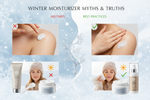
Winter Moisturiser Mistakes You Should Stop Making in 2026
, by Hemant Shah, 5 min reading time
, by Hemant Shah, 5 min reading time
Winter Moisturiser Mistakes You Should Stop Making in 2026 are no longer just about dry skin; they directly impact your skin barrier, long-term hydration, and sensitivity levels. As winters become harsher and indoor heating more aggressive, outdated skincare habits can silently undo your efforts. This guide explains what’s going wrong, why it matters in 2026, and how to moisturise correctly based on real skin behaviour, not myths.
Skincare science has shifted in recent years. Dermatologists now focus less on “heavy creams” and more on barrier repair, ingredient synergy, and hydration timing. Many winter routines still rely on old assumptions that can worsen dryness, irritation, or breakouts.
Understanding these winter moisturiser mistakes helps you protect your skin, not overwhelm it.

Skin needs to change with the climate. A summer gel moisturiser often lacks occlusives needed to prevent transepidermal water loss in winter. On the other hand, overly rich formulas can clog pores if your skin doesn’t need them.
Switch to a seasonal moisturiser with:
Ceramides for barrier repair
Humectants like glycerin or hyaluronic acid
Light occlusives such as squalane or shea butter
This single adjustment fixes one of the most common winter moisturiser mistakes you should stop making in 2026.
Moisturisers don’t add water; they lock it in. Applying them on dry skin seals dryness instead of hydration.
Apply moisturiser within 30 seconds of cleansing, when skin is still slightly damp. This boosts hydration absorption and improves skin elasticity, especially in cold weather.
Many people assume thicker equals better. In reality, heavy creams without humectants can sit on the surface and block water absorption.
Instead of one heavy cream:
Hydrating serum (water-based)
Barrier-repair moisturiser
Optional facial oil at night
This layered approach is far more effective than piling on product.
1- Alcohol-heavy formulas
2- Strong fragrances
3- Lightweight lotions without lipids
Look for:
Ceramides & cholesterol (skin-identical lipids)
Niacinamide (reduces irritation)
Panthenol (soothes winter sensitivity)
Avoiding ingredient awareness is one of the silent winter moisturiser mistakes you should stop making in 2026.
These zones have thinner skin and fewer oil glands, making them prone to:
Flaking
Fine lines
Irritation
Use the same moisturiser on your neck and a lip-safe occlusive balm daily. For under-eyes, gentle hydration beats anti-ageing actives during winter.
Dehydrated skin often produces more oil, worsening breakouts.
Choose:
Non-comedogenic moisturisers
Gel-cream textures with ceramides
Oil-free doesn’t mean hydration-free
This correction alone improves both dryness and acne control.
Cold weather already weakens the skin barrier. Excess exfoliation increases sensitivity and reduces moisturiser effectiveness.
Limit exfoliation to once a week, and prioritise barrier repair. Hydrated skin absorbs moisturiser far better than freshly exfoliated skin.
Heaters reduce indoor humidity, accelerating moisture loss even if you moisturise regularly.
Use a humidifier at night
Apply a richer moisturiser in the evening
Seal hydration with a light oil if needed
This step directly supports overnight skin recovery.
Change moisturisers seasonally
Apply to damp skin
Focus on barrier-repair ingredients
Layer hydration, don’t overload
Moisturise twice daily
Protect exposed areas (lips, neck, hands)
The biggest skincare shift in 2026 isn’t about new products, it’s about using moisturisers correctly. By avoiding these winter moisturiser mistakes you should stop making in 2026, you protect your skin barrier, reduce sensitivity, and maintain long-term hydration.

October 02, 2026
Learn about Aziderm 10% Cream, including its azelaic acid 10% composition, acne indication, application instructions, possible side effects, storage and...
Read Article
September 16, 2026
Pharmacies and clinics that skip wholesale medicated skincare products are leaving a steady, high-margin revenue stream on the table. Patients...
Read ArticleDermatology-grade skincare wholesale sourcing in India has become one of the fastest-growing priorities for pharmacies, beauty stores, and clinics as...
Read ArticleA newborn's skin barrier is still developing, which is why...
Read ArticleMost newborns do not need baby lotion in the first...
Read Article