

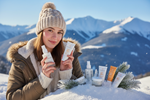
Winter Skincare Essentials: Combining Moisturiser and SPF for All-Day Protection
, by Hemant Shah, 6 min reading time
, by Hemant Shah, 6 min reading time
Winter has its own charm, but our skin rarely enjoys it as much as we do. Cold winds, low humidity, indoor heating, and unpredictable temperatures pull moisture from the skin and weaken its barrier. The result is familiar: tightness, dullness, flaky patches and irritation. While moisturising is a winter must, many people forget SPF. Even on cold, cloudy days, UV rays continue to damage the skin, speed up ageing and trigger pigmentation. That’s where a smart winter skincare routine really makes a difference, especially when you know how to combine moisturiser and SPF the right way.
Below is your complete guide to building a winter routine that keeps your skin hydrated, protected and glowing all season long.

In summer, we tend to feel our skin reacting to the heat or sunlight instantly. Winter behaves differently. You might not feel the damage happening, but the skin is constantly losing hydration. Cold weather reduces the natural oils our skin produces, making it harder for the barrier to stay intact. A weakened barrier means skin becomes more sensitive to even mild stressors.
This is exactly why using a moisturiser with SPF for winter becomes such a smart upgrade. It simplifies your routine and ensures you aren’t skipping protection on gloomy days when UV rays still manage to reach your skin.
A winter routine doesn’t have to be complicated. Think of it as a mix of nourishment and protection.
Foaming cleansers can strip away moisture, especially in winter. Switch to a cream or gel-based hydrating cleanser that maintains the skin’s pH balance.
Look for hyaluronic acid, glycerin, ceramides or panthenol. These boost moisture retention and support the skin barrier.
A winter moisturiser should contain ingredients such as ceramides, shea butter, squalane, or niacinamide. These slow down water loss and strengthen the skin against cold winds.
This is the step many people skip. Even in winter, around 80 % of UV rays penetrate through clouds. Regular SPF use reduces pigmentation, photoaging and dullness. Combining SPF with moisturiser makes the process easier and more consistent.
UVB rays (the ones that cause sunburn) are weaker in winter, but UVA rays remain strong throughout the year. UVA rays penetrate deeper into the skin and accelerate collagen breakdown, leading to wrinkles, fine lines, and uneven tone.

If you’re spending time outdoors, driving or sitting near a window, you are still exposed. A good SPF also protects your skin from winter sun glare, which is surprisingly harsh on snowy or reflective surfaces.
To put it simply: winter may feel cold, but UV rays haven’t taken a break.
There are two easy ways to get the best results.
Apply your moisturiser first, wait 1–2 minutes and then follow with SPF. This ensures full hydration and protection. If you have dry or sensitive skin, this method gives more control over layering.
A moisturiser with sunscreen is a great choice for winter mornings, especially for people in a hurry. Pick a formula with broad-spectrum SPF 30 or higher to shield your skin from both UVA and UVB.
Whichever method you choose, make sure you apply enough sunscreen. A pea-sized amount isn’t enough. Use two fingers’ worth to cover the face and neck properly.

Look for these features when shopping:
SPF is not just a number. Ensure the product shields you from both UVA and UVB rays.
Winter dryness requires moisture locking. Ceramides, squalane, hyaluronic acid and shea butter work exceptionally well.
Even in winter, nobody wants a heavy or sticky layer on the skin. New-generation sunscreens blend well and offer hydration without shine.
For dry skin: creamy formulas
For oily skin: lightweight gel or lotion
For sensitive skin: mineral sunscreens (zinc oxide or titanium dioxide)
The best winter moisturiser with sunscreen should not only hydrate but also create a protective shield against weather changes and UV exposure.

Here are simple habits that make a noticeable difference:
Apply SPF even on cloudy days
Avoid very hot showers that strip moisture
Use a humidifier indoors
Reapply SPF if you’re outdoors for long hours
Drink enough water; hydration works from the inside, too
Exfoliate gently to remove dry flakes, but avoid over-exfoliating
Wear scarves or hats to shield your face from harsh winds
Small steps, big wins for your skin.
A strong winter skincare routine doesn’t have to be complicated. It just needs to be consistent. Combining a good moisturiser and SPF ensures your skin gets hydration and protection in one simple step. Whether you prefer a two-step method or a single product that does both, your skin stays healthier, smoother and brighter through the colder months.
Winter might be harsh, but your skincare doesn’t have to be. Hydrate, protect and let your skin glow even on the chilliest days.
Yes. UVA rays penetrate clouds and windows, so SPF is still essential for preventing premature aging and pigmentation.
Absolutely. A moisturiser with SPF for winter is a great pick for daily use. Just make sure the SPF is at least 30 and provides broad-spectrum protection.
Apply moisturiser first, wait a minute for it to absorb, then layer sunscreen on top. If using a combined product, apply it as the final step before makeup.
Even though winter sun feels weaker, UVA rays remain strong year-round and contribute to aging, tanning and uneven skin tone.
Ceramides, hyaluronic acid, squalane, niacinamide and shea butter are ideal for hydration. For SPF, ensure it’s broad-spectrum and at least SPF 30.

October 02, 2026
Learn about Aziderm 10% Cream, including its azelaic acid 10% composition, acne indication, application instructions, possible side effects, storage and...
Read Article
September 16, 2026
Pharmacies and clinics that skip wholesale medicated skincare products are leaving a steady, high-margin revenue stream on the table. Patients...
Read ArticleDermatology-grade skincare wholesale sourcing in India has become one of the fastest-growing priorities for pharmacies, beauty stores, and clinics as...
Read ArticleA newborn's skin barrier is still developing, which is why...
Read ArticleMost newborns do not need baby lotion in the first...
Read Article