

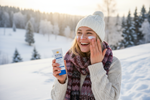
Winter Sunscreen for Dry Skin: Hydrating SPF That Protects & Nourishes
, by Hemant Shah, 7 min reading time
, by Hemant Shah, 7 min reading time
Winter brings cool winds, low humidity, and harsh UV rays that can worsen dryness, flakiness, and sensitivity. While most people assume sunscreen is only for summer, dermatologists strongly recommend using winter sunscreen for dry skin every single day. UV exposure continues year-round, and without proper SPF protection, dry skin can become even more dehydrated, itchy, and damaged.
This guide explains the right sunscreen ingredients, whether cream or lotion textures work best, how to layer SPF on dry skin, dermatologist-recommended options, and an easy winter skincare routine you can follow daily. Whether you are searching for the best sunscreen for dry skin in winter or need a hydrating sunscreen for dry skin, this blog covers everything you need.

Even in winter, UV rays, especially UVA, penetrate clouds, windows, and pollution. This leads to:
Skin that is already dry becomes more prone to redness and UV-induced irritation. Using a moisturizing sunscreen for dry skin ensures protection while supporting barrier repair.
Choosing the right ingredients is essential when looking for the best sunscreen for dry skin in winter. Dermatologists recommend hydrating and barrier-repairing components such as:
Look for these ingredients when selecting SPF for dry skin in winter to ensure both protection and hydration.
During winter, layering becomes essential. Dry skin needs both moisturizer and sunscreen the order matters.
Step 1: Cleanse with a Hydrating Cleanser
Use a cream or milk-based cleanser to avoid stripping natural oils.
Step 2: Apply a Hydrating Serum
Hyaluronic acid is perfect for moisture retention.
Step 3: Moisturize Generously
This step creates a smooth base for SPF. A ceramide or shea-butter cream works well.
Step 4: Apply Your Winter Sunscreen for Dry Skin
Choose a hydrating sunscreen for dry skin in cream or lotion form.
Step 5: Reapply if Required
If you are outdoors for more than 2–3 hours, reapply your SPF.
Creamy sunscreens with hydrating ingredients blend better without pilling, especially after moisturizer.

Choosing the right texture is key when selecting the best sunscreen for dry skin in winter.
Conclusion:
For winter, cream and lotion sunscreens are the best choices for dry skin, offering both moisture and UV protection.
Even mild UV exposure during winter can contribute to:
UV rays compromise the protective barrier, leading to increased transepidermal water loss.
Dry patches become more visible under sunlight.
Cold temperatures do not stop UVA from penetrating the skin and causing tan lines or dark spots.
UV rays can trigger inflammation in already dehydrated skin.
Fine lines form faster when dry skin loses collagen due to UV exposure.
Using a moisturizing sunscreen for dry skin helps prevent these concerns.
Dermatologists suggest choosing products with:
Common recommendations include sunscreens containing ceramides, hyaluronic acid, and squalane. Always pick a formulation that supports both protection and moisture retention.

If you prefer a simple routine, try this effective winter regimen:
This minimal routine ensures your skin stays protected, calm, and hydrated throughout winter.
Using winter sunscreen for dry skin is non-negotiable if you want healthy, soft, and nourished skin during colder months. A hydrating sunscreen for dry skin not only protects against UV rays but also strengthens the barrier, preventing flakes, redness, and premature ageing. Choose creamy or lotion-based SPFs packed with hydrating ingredients and follow a solid winter skincare routine for the best results.
No. UV rays remain strong even in winter, leading to dryness, pigmentation, and damage. Sunscreen is essential every day.
Cream or lotion sunscreen is ideal. Gels can worsen dryness in winter.
SPF 30 or above is recommended for daily protection, especially during outdoor exposure.
Yes. Always moisturize first, then apply sunscreen for maximum hydration and smooth application.
No. Sunscreen protects from UV damage, while moisturizer hydrates. You need both in winter.

July 15, 2026
Starting minoxidil for hair loss is a bit like starting a new workout routine. The first few weeks rarely show...
Read Article
July 15, 2026
If breakouts keep showing up in the same spots no matter how many products you try, the issue is often...
Read ArticleStanding in front of a shelf full of cleansers, most people just grab whatever foams the most, assuming that means...
Read ArticleIf you have spent even ten minutes searching for a...
Read ArticleBuilding a skincare routine for acne-prone skin does not have...
Read Article